IV NAD+ and Glutathione
IV therapy is popular. But what do NAD+ and glutathione actually do?
Let’s keep it simple and factual.
What Is NAD+?
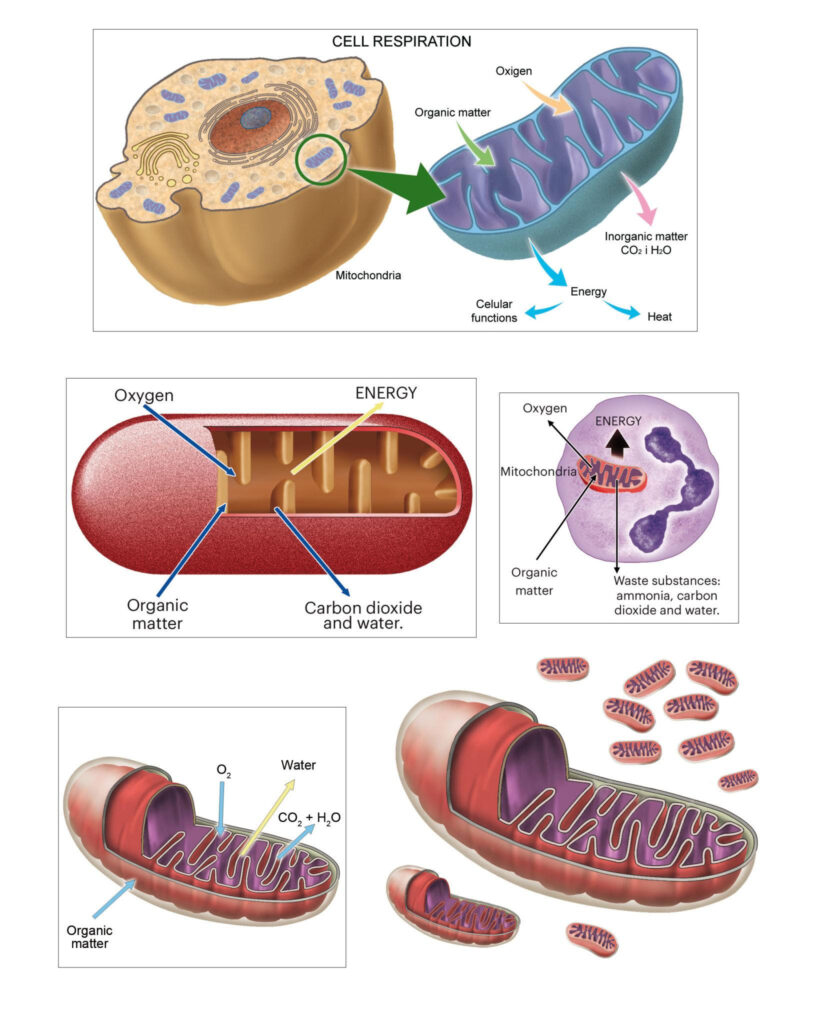
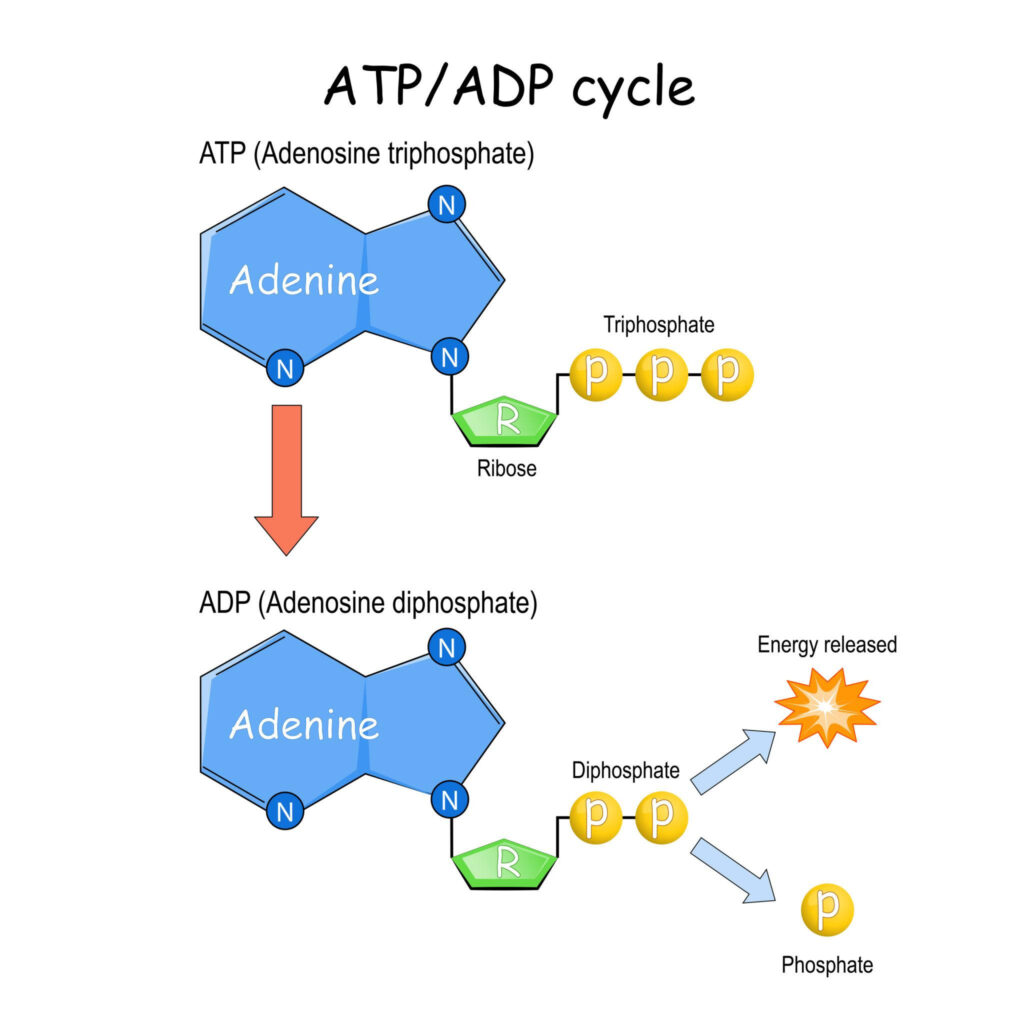
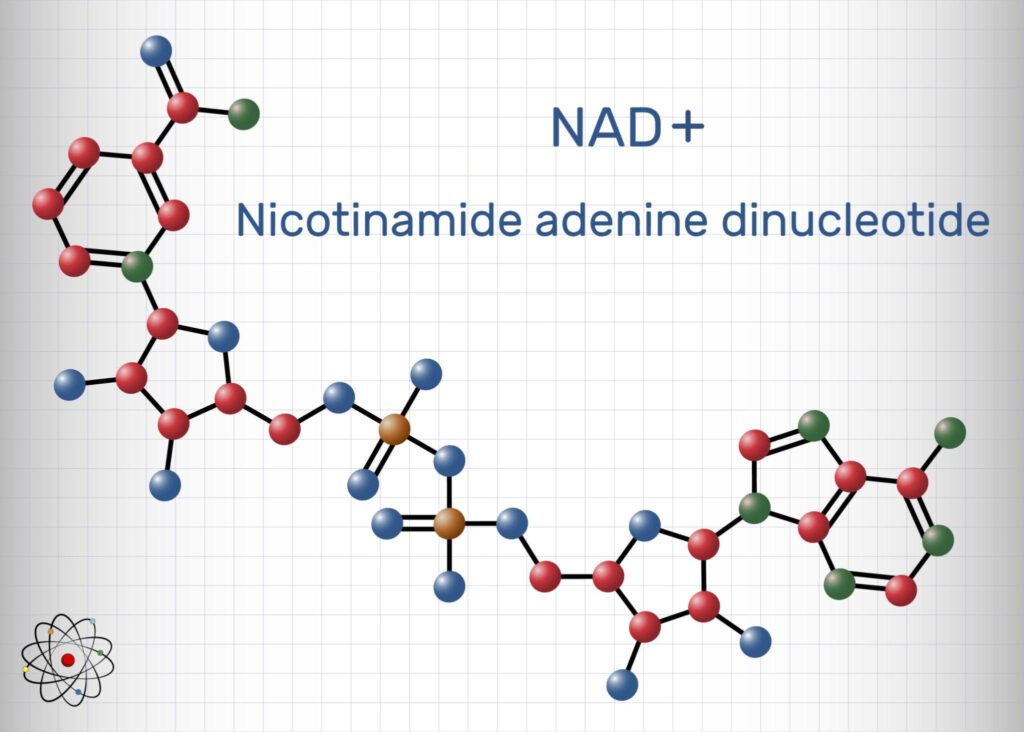
NAD+ is a helper molecule found in every cell in your body.
It plays a key role in:
Turning food into energy
Supporting cell repair
Helping cells respond to stress
Maintaining healthy brain and metabolic function
NAD+ levels naturally decrease as we age.
Potential Benefits of IV NAD+
Research suggests NAD+ may help support:
Cellular energy production
Brain health
Metabolic function
Recovery from physical stress
Most research focuses on NAD+ precursors taken by mouth. IV-specific research is still developing, but the biological role of NAD+ is well established.
What Is Glutathione?
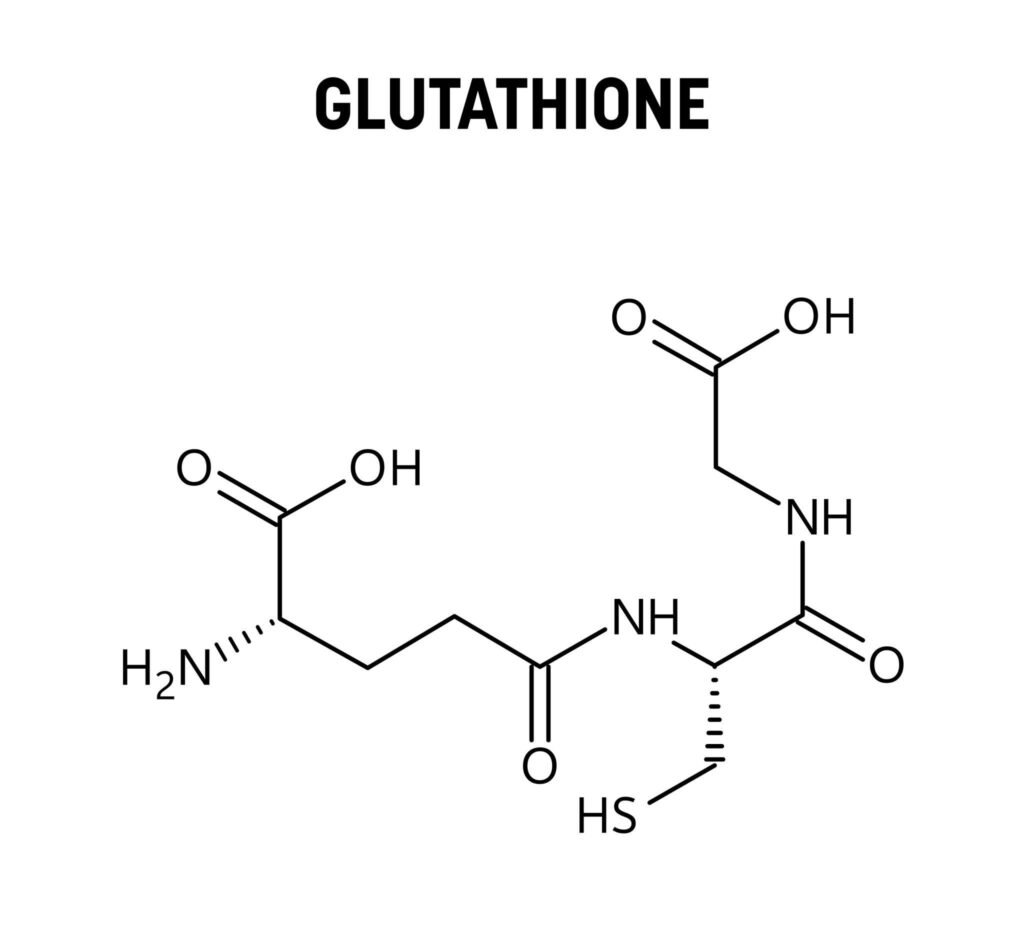
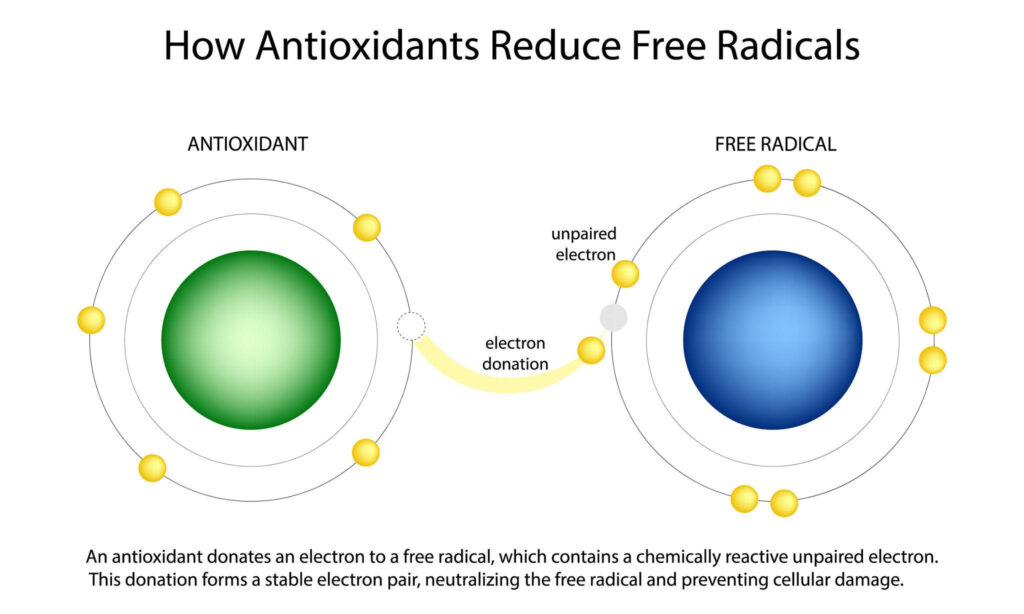
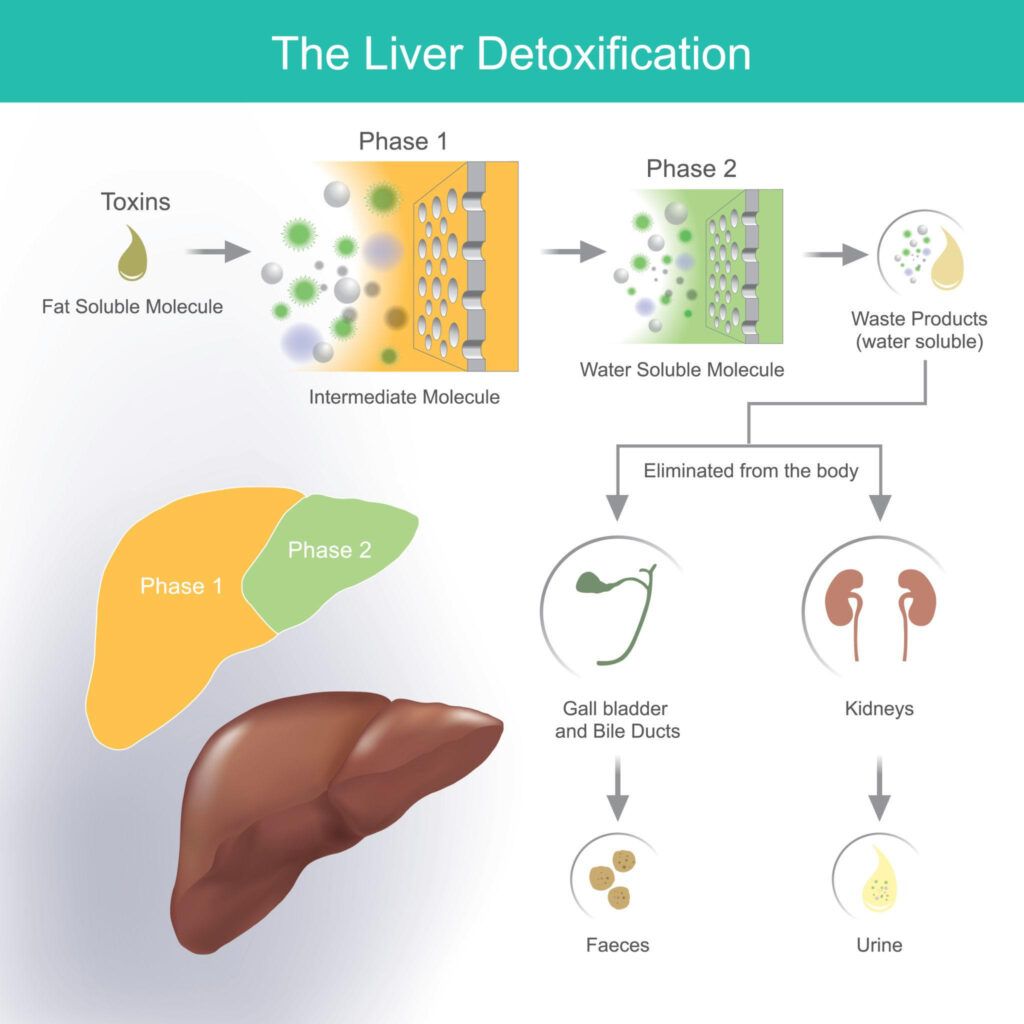
Glutathione is often called the body’s “master antioxidant.”
It helps:
Protect cells from damage
Support liver detox pathways
Reduce oxidative stress
Support immune health
IV delivery may increase availability more quickly than oral forms, although results vary.
Why Combine NAD+ and Glutathione?
When cells make energy, they also create stress.
NAD+ supports energy production.
Glutathione helps protect cells from the stress that comes with it.
Together, they may support:
- Energy balance
- Recovery
- Healthy aging
- Cellular protection
Safety and Reality Check
Both therapies should be given under medical supervision.
Possible side effects can include:
Nausea or chest tightness (especially if NAD+ is infused too quickly)
Headache
Rare allergic reactions
The science supports their biological roles. Large-scale IV wellness trials are still limited. These treatments are promising, but they are not miracle cures.
Biology is powerful. Marketing is louder.
Understanding the difference matters.
References
Jastreboff, A. M., et al. (2022). Tirzepatide once weekly for the treatment of obesity. New England Journal of Medicine, 387(3), 205–216.
Jastreboff, A. M., et al. (2023). Triple-hormone receptor agonist retatrutide for obesity — A phase 2 trial. New England Journal of Medicine, 389(6), 514–526.
Wilding, J. P. H., et al. (2021). Once-weekly semaglutide in adults with overweight or obesity. New England Journal of Medicine, 384(11), 989–1002.
Amjad, S., et al. (2023). Role of NAD+ in aging and metabolic regulation. Biomedicine & Pharmacotherapy, 163, 114759.
Lu, S. C. (2024). Glutathione homeostasis in human health and disease. Redox Biology, 68, 102945.