
Single, Dual, and Triple Metabolic Regulators
Weight loss is not just about eating less. It’s about how your body’s hormones talk to your brain, pancreas, and liver.
New medications are designed to help control that conversation.
Here’s how they differ.
1. Single Regulator (SIA-31-C18)
Works like semaglutide (GLP-1 only)
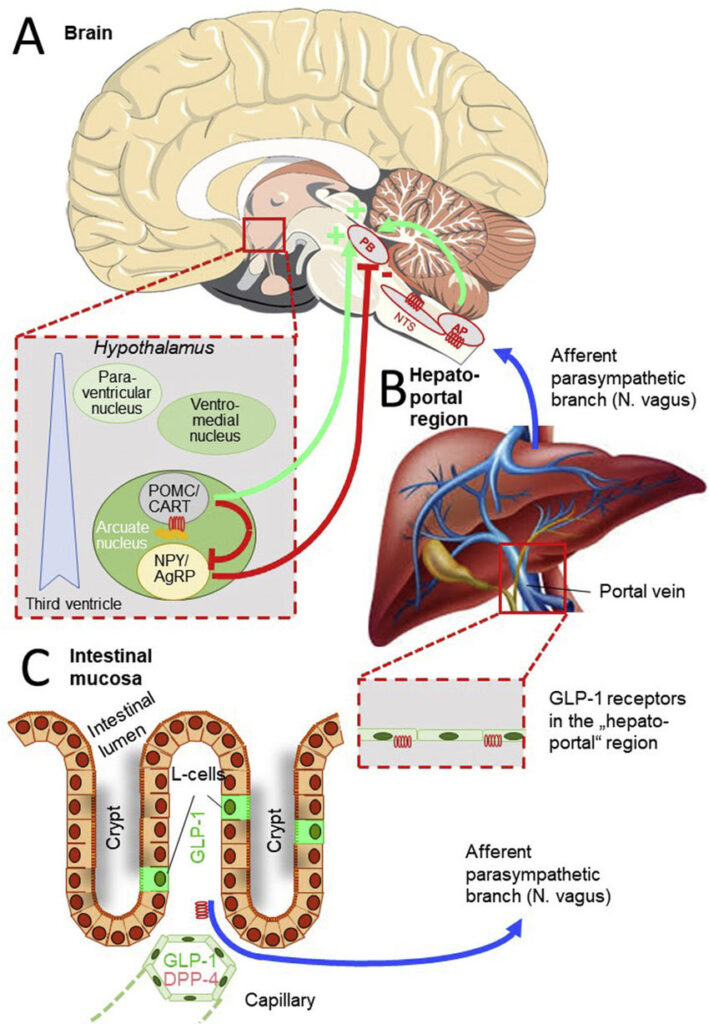
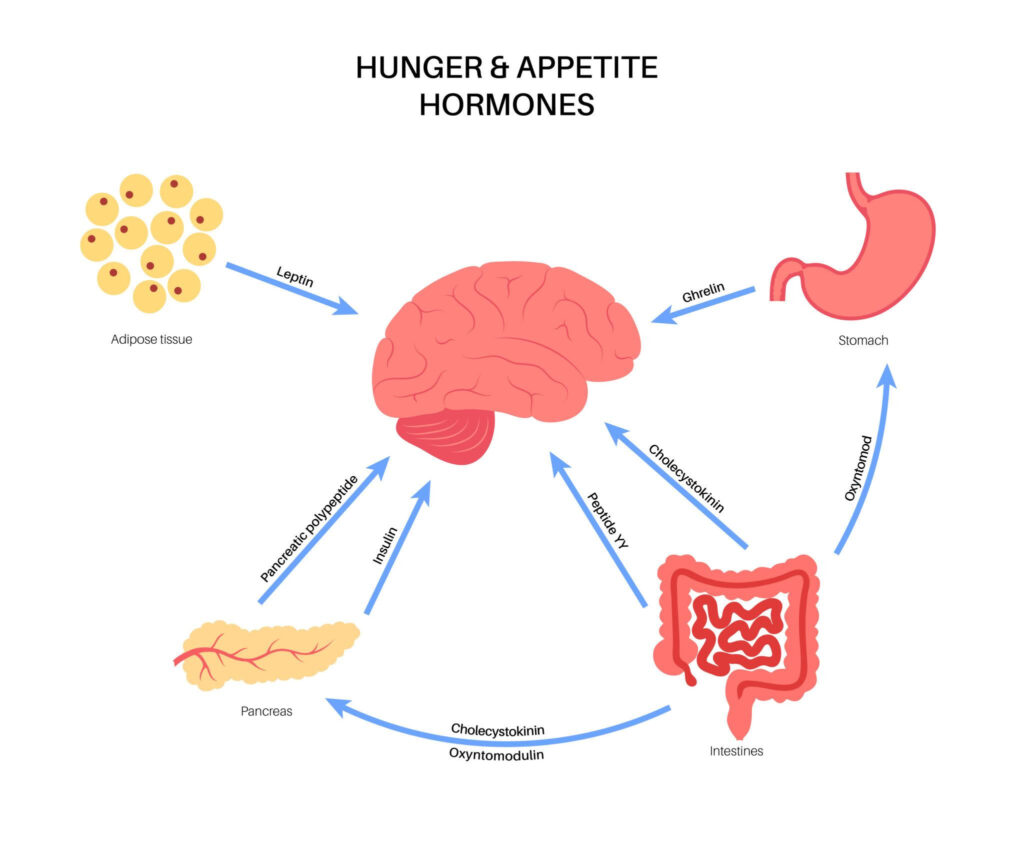
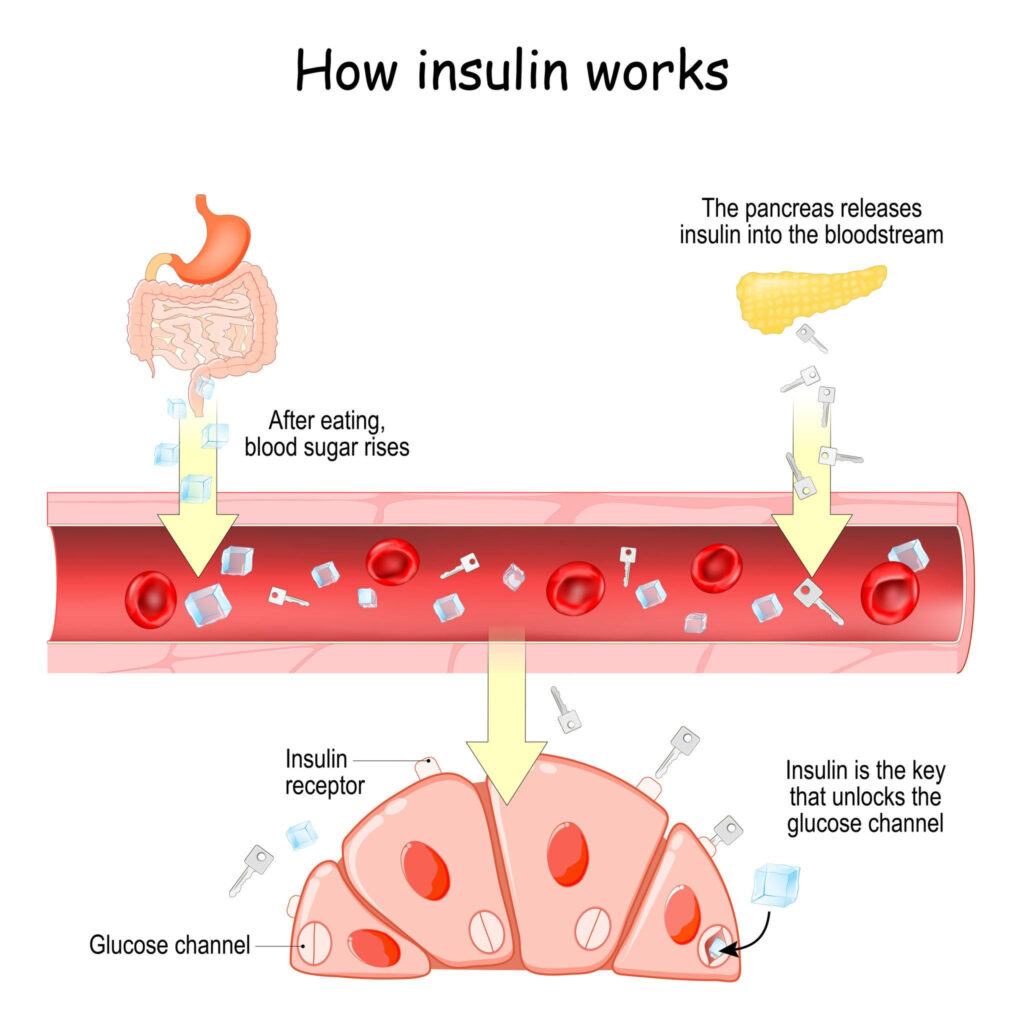
A Single Regulator works on one hormone pathway called GLP-1.
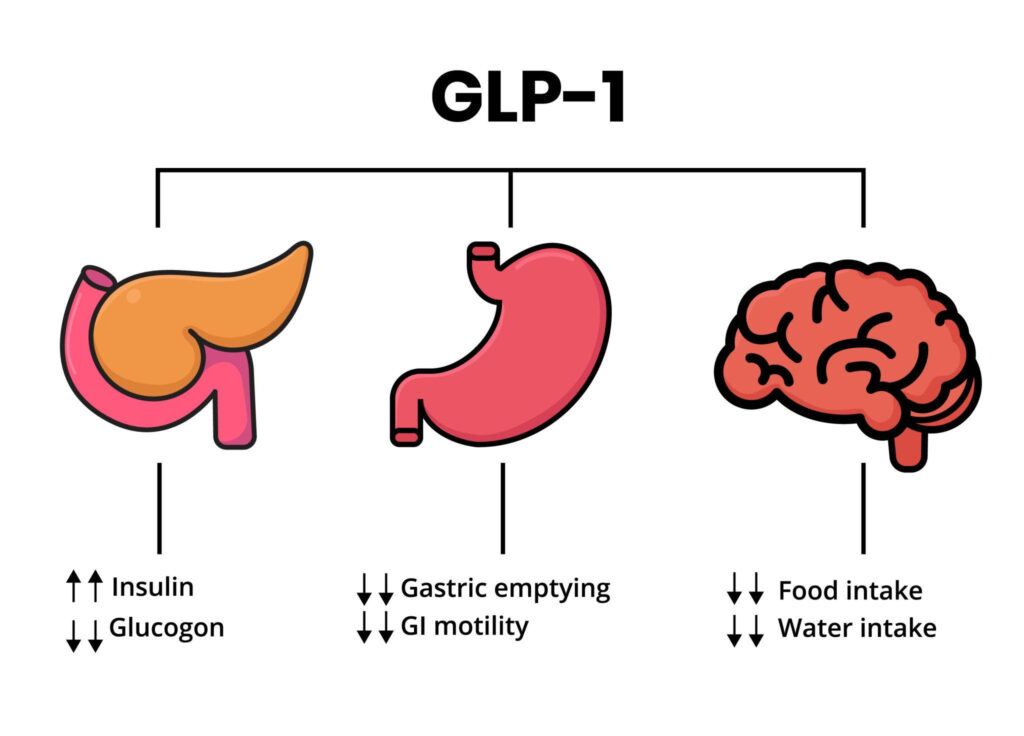
GLP-1 is released in your gut after you eat. It helps:
You feel full sooner
Your pancreas release insulin when needed
Slow down how fast food leaves your stomach
Lower blood sugar
Medications like Ozempic and Wegovy use this single pathway. Studies show they can lead to meaningful weight loss and improved blood sugar control (Wilding et al., 2021).
A Single Regulator focuses mainly on appetite control and blood sugar balance.
Simple. Focused. Effective.
2. Dual Regulator (DIA-39-C20)
Works like tirzepatide (GLP-1 + GIP)
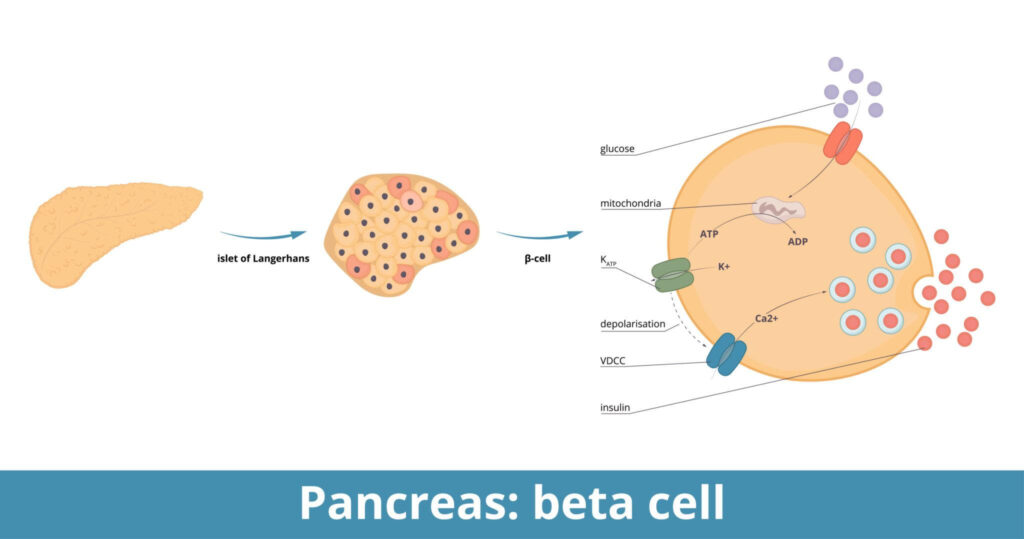
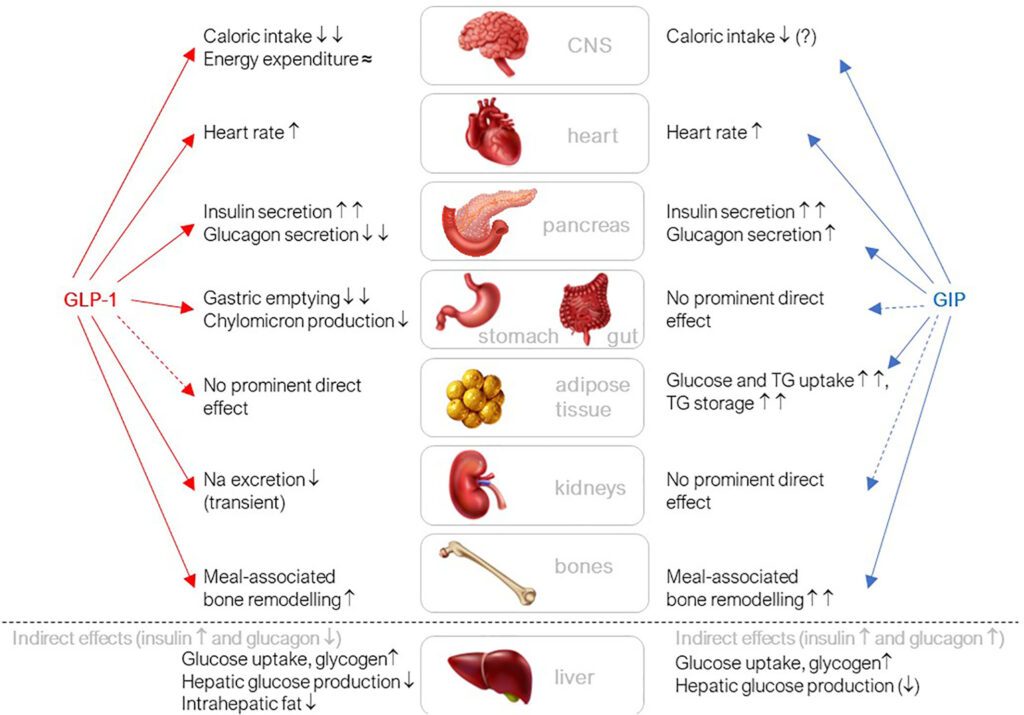
A Dual Regulator activates two hormone systems:
-
GLP-1
-
GIP
GIP is another hormone that helps control insulin and metabolism. When both GLP-1 and GIP are activated together, the effect on weight and blood sugar may be stronger.
This approach mirrors medications like Mounjaro and Zepbound, which have shown greater average weight loss than single-pathway medications in clinical trials (Jastreboff et al., 2022).
Dual Regulators support:
-
Better blood sugar control
-
Stronger appetite reduction
-
Improved insulin response
It’s not just about eating less. It’s about helping your metabolism respond better.
3. Triple Regulator (TIA-39-C20)
A Dual Regulator activates two hormone systems:
-
GLP-1
-
GIP
GIP is another hormone that helps control insulin and metabolism. When both GLP-1 and GIP are activated together, the effect on weight and blood sugar may be stronger.
This approach mirrors medications like Mounjaro and Zepbound, which have shown greater average weight loss than single-pathway medications in clinical trials (Jastreboff et al., 2022).
Dual Regulators support:
-
Better blood sugar control
-
Stronger appetite reduction
-
Improved insulin response
It’s not just about eating less. It’s about helping your metabolism respond better.
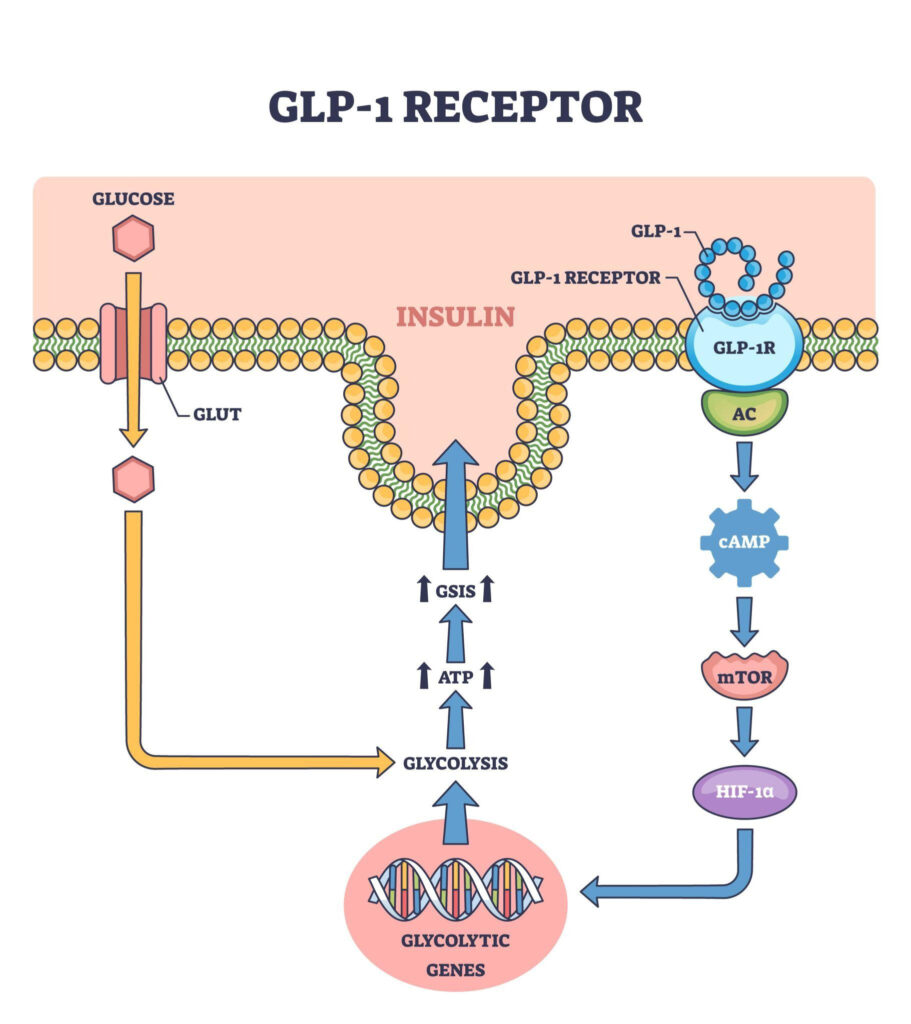


A Triple Regulator adds a third pathway: glucagon.
Glucagon normally raises blood sugar, but when balanced carefully with the other hormones, it can:
-
Increase how many calories your body burns
-
Help break down stored fat
-
Support liver metabolism
This mirrors investigational treatments like retatrutide, which have shown significant weight loss in early studies (Jastreboff et al., 2023).
Triple Regulators aim to:
-
Reduce appetite
-
Improve insulin response
-
Increase energy use
That combination may produce stronger results.
The Bottom Line
Single = appetite control
Dual = appetite + stronger metabolic support
Triple = appetite + metabolic support + increased calorie burn